Steam Machines – Bring on the Clones
How does the new Steam Machine change things when people have already been making their own for ages?
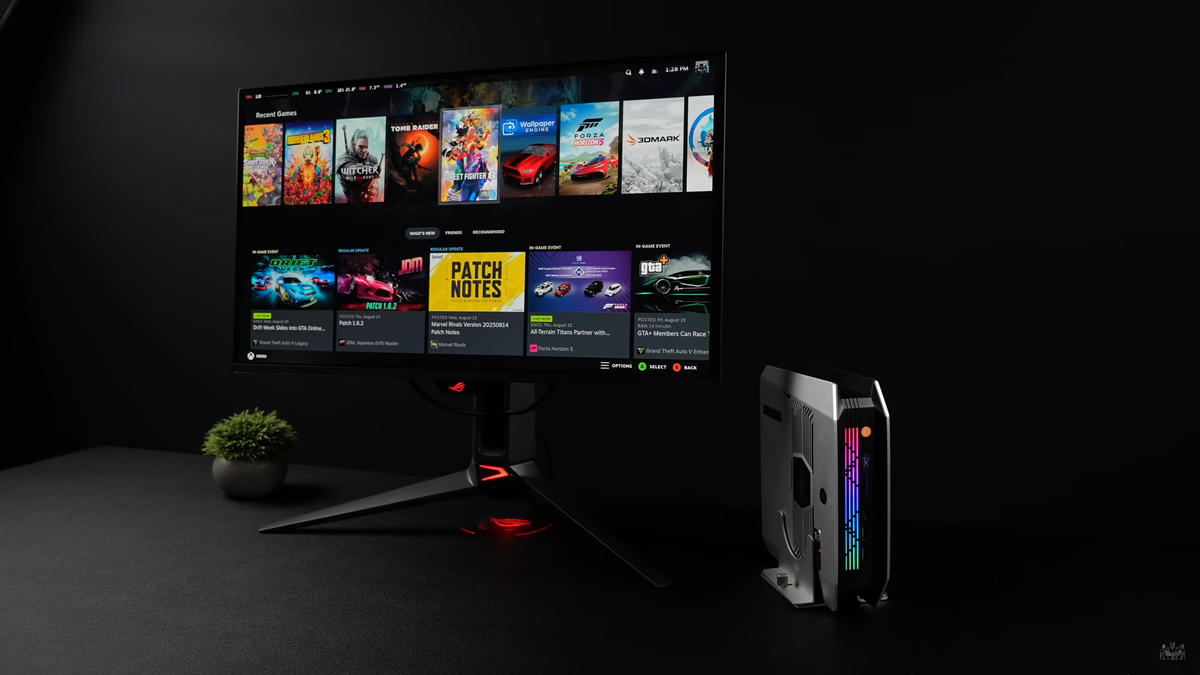
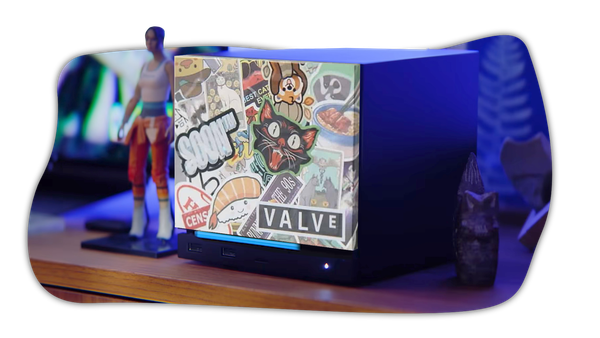
Valve's Steam Machine will open a new chapter in console gaming. One that has strong parallels with another chapter of computing history.
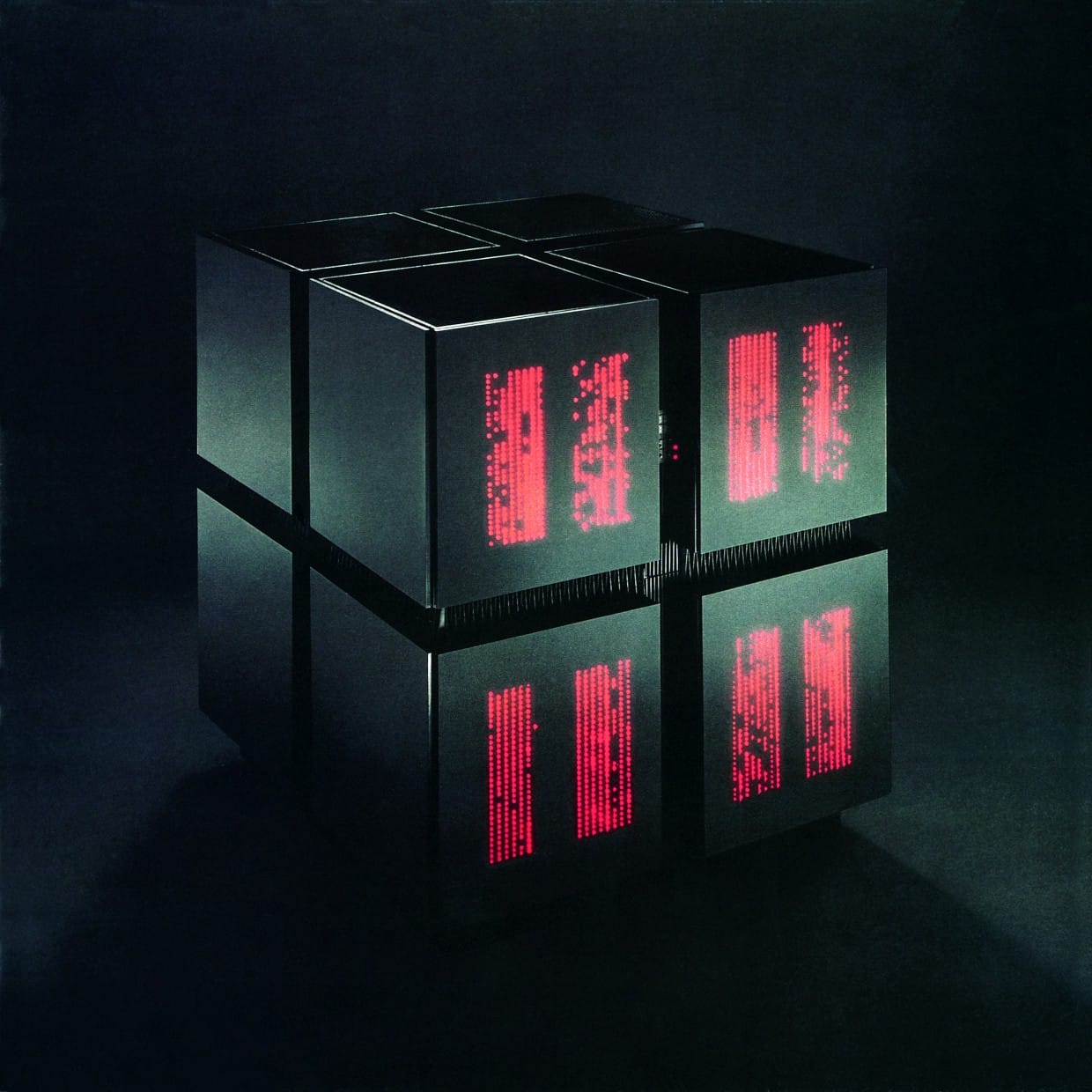
Back in the 1980s, when the world was still black and white, IBM developed and released the PC architecture we still use today. When almost all home computers were proprietary, the IBM PC was a mostly open architecture – apart from its proprietary BIOS – based around off-the-shelf components anyone could replace or develop for.
IBM's PC was very successful on launch and an industry leader for several years, but once its BIOS was reverse-engineered, an avalanche of clone machines arrived. We referred to these at the time as "IBM compatibles", but that tag eventually disappeared, and we can retrospectively see those computers as the first wave of PCs.
Fast forward to today and we have a PC market that is more than four decades old. Where virtually any neighbourhood has a local computer store selling generic custom PCs, probably screwed together by a squeaky sixteen year old.
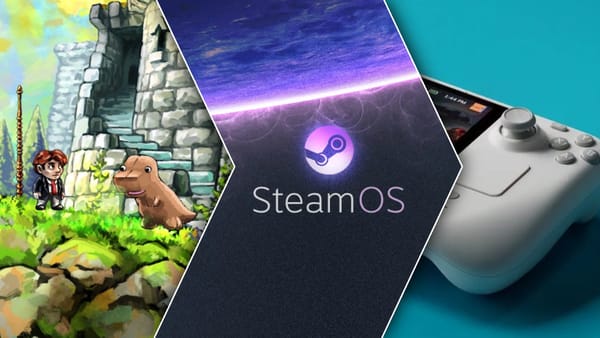
It may be early days, but Valve's SteamOS and Steam Machine will usher in a similar paradigm shift, but for game consoles instead of home computers.
Until now, the console market has mostly been a series of competing proprietary platforms, with Sony, Nintendo, and Microsoft/Xbox today, and players like Sega and Atari in years past. Yes, there have been well-meaning attempts at things like open source Linux consoles before, and yes, there are plenty of Chinese-made Android consoles you can buy right now.
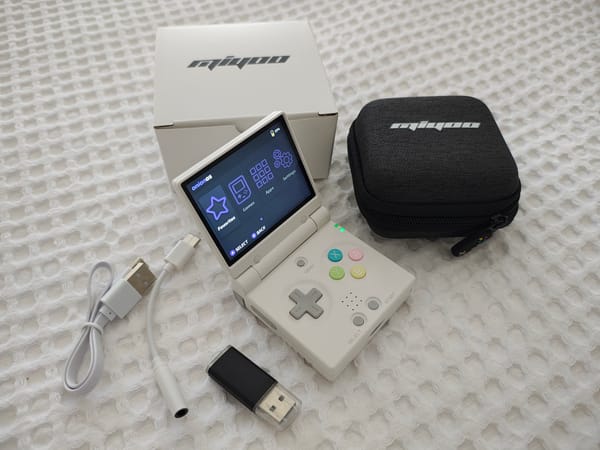
But Android gaming is, quite frankly, rubbish. And attempts at Linux consoles have been dismal failures, including Valve's earlier attempt at Steam consoles (but not including the dizzying array of Linux-based retro gaming consoles now available worldwide).
Linus Sebastian sought out the original Steam Machine from last decade, which... didn't go well.
So What's Changed?
First and foremost is the ecosystem. Where last decade, Valve tried to get developers to make native Linux ports for their Steam console, this time they've taken the route John Carmack recommended by trying to "perfect Wine" instead, with Proton. Valve's efforts have resulted in compatibility numbers between 8/10 Windows games at worst, and 9/10 at best.
Where new consoles have traditionally launched with maybe a few dozen titles if they were lucky, the Steam Machine will launch with Steam's entire back catalogue. Looking at just the Steam Deck numbers on ProtonDB, and only including "verified or playable" numbers, that's over 23,000 games. And if you remove all that DLC expansion pack stuff from the numbers, you're probably still looking at at least 20,000 games.
Yes, the latest generations of backwards-compatible x86 consoles do weaken my argument. But consider these additional points:
- Most people who have been involved in any kind of PC gaming probably have Steam libraries already, many of which will be sizeable and go back twenty years.
- The Steam Machine isn't restricted to Steam games. It can also play games from the likes of GOG (which I highly recommend trying), EA, or Ubisoft, or be used to emulate other systems. Or you can just try your luck with any random PC game from the last forty years.
- PC games are often much cheaper, and on sale more often, than their console equivalents.
Put all that together and you have the potential for a software library that is too vast to count, ready to go immediately.
Open Hardware
The open nature of PC architecture is the other part of the puzzle. Just like a PC, anyone can make their own Steam console, and many have. A quick search on YouTube will reveal plenty of DIY examples with many personal variations. Right now, these will either be with SteamOS proper – via a restored Steam Deck system image – or with Bazzite.
For the uninitiated, Bazzite is a SteamOS clone based on Fedora Atomic, which closely mimics the look, feel, and behaviour of SteamOS, but has much broader hardware support, and adds a bunch of software Steam Deck users usually install anyway. Meanwhile, the official SteamOS is mostly limited to a subset of AMD hardware.
Either way, there's nothing stopping you from making your own Steam-based console right now. But it begs the question: How does the Steam Machine change things when people have already been making their own?
Firstly, SteamOS has so far been optimised only for the Steam Deck – a handheld device with a low screen resolution. It doesn't always play nicely with other hardware, especially when moving to a desktop PC or lounge room console.
Bazzite may provide a stable console or desktop experience, but SteamOS proper will need tweaking to work correctly as a console. A change like this will necessitate a greater level of maturity and robustness from SteamOS, which with any luck, will hasten the release of SteamOS for general hardware.
Secondly, there is public perception to consider and a tangible industry standard. Small companies and hobbyists can play around with Steam Machines as much as they like, but until there is an agreed-upon industry standard from a credible brand, such machines will remain niche.
Through stubborn persistence and deep pockets, Valve have achieved miracles with the PC ecosystem, creating a console-like experience with software that simply shouldn't work that way. With the track record of something like the Steam Deck, cautious customers know their money won't be wasted on a full-fat console.
The other major change is that building a box instead of a handheld is just a lot easier. And this is what will really get things moving.
ETA Prime has been building a lot of Steam consoles, using both custom and pre-built PCs.
The Clone Wars
With open floodgates, and Steam as a common language between machines, the consoles that will follow are fascinating to ponder.
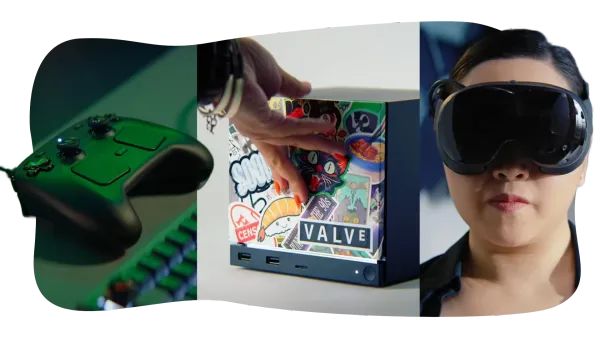
On one end of the spectrum will be big-budget mega consoles. Plenty of punters will want to beat the Steam Machine's middling specs, with FPS counts to embarrass any PlayStation or Xbox. These consoles will mirror the creations of the so-called "PC Master Race", and plenty of hardware vendors will be happy to assemble such machines for well-heeled customers.
But just as fascinating is the other end of the spectrum – ultra-cheap machines built on the slimmest of hardware. Imagine what the likes of Walmart, Target, K-Mart or Aldi would do with SteamOS. My guess is something that shudders at the sight of new AAA releases, but can play older titles or indie games fine, on something that costs peanuts.
I think budget retail stores like these would build such machines not just in console form, but also as handhelds, with shared generic designs and last generation hardware.
But there's another resource ready for immediate use: mini PCs, and in particular, Chinese-made mini PCs. These cheap little boxes have already proved popular amongst Steam-curious YouTubers, and many can provide surprisingly respectable performance.
These machines are pre-built en masse and have an attractive, compact form-factor that can slide discreetly into any living room. And for this reason, I think Shenzhen is the city to watch for the future of game consoles and SteamOS.
TechDweeb has been ahead of the curve, making Steam consoles out of Chinese mini PCs for ages.
In fact, there's nothing stopping people from importing a stack of these machines into the West, installing a Steam image, and selling them locally as consoles. Why not beat Valve to the punch? I'd be lying if I said I hadn't considered the idea myself.
So what shall we call these machines? Valve compatibles? Steam compatibles? Steam clones? Goodness knows. But a generic console market like the "IBM compatible" PC is coming.
Should Valve be worried? No. They're really a software company, not a hardware company. Unlike IBM with the PC, every Steam-based console sold just equals more sales for Valve.
About The Author:
John Knight
John Knight has been writing professionally for 21 years, appearing regularly in Linux Format, and as a columnist in Linux Journal and Maximum PC. John specialises in large historical computing features and is republished in multiple countries.